
Home / Dra. Fabiola Neri Zilli

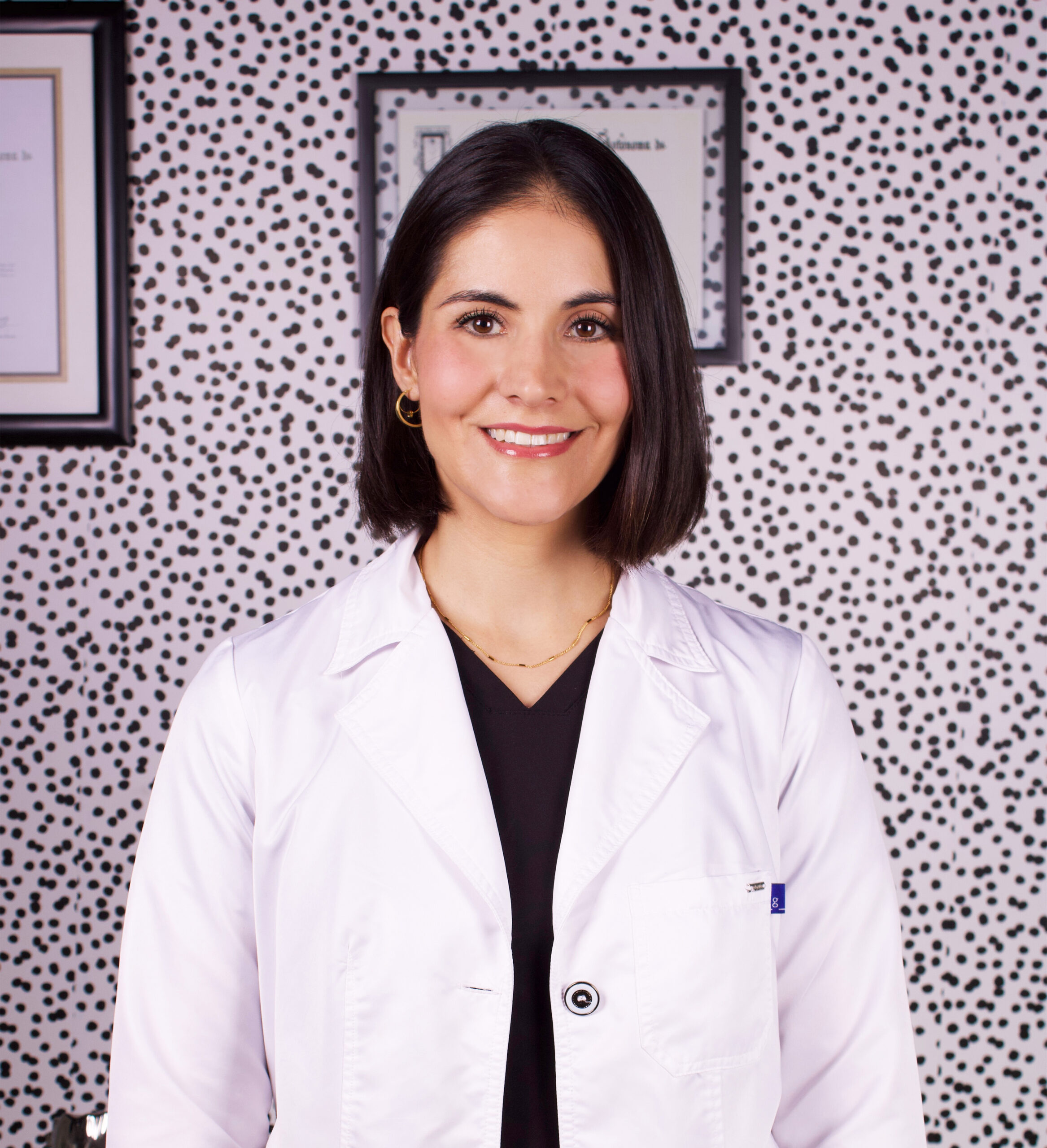
Dra. Fabiola Neri Zilli
Specialist in Prosthodontics and Implantology

Dr. Fabiola Neri Zilli is a distinguished specialist in prosthodontics and implantology with extensive training and experience in the dental field. Her focus on comprehensive care and passion for providing high-quality solutions have established her reputation as a highly competent professional.
Vocational training
- Dental Surgeon, Autonomous University of Nuevo León.
- Specialist in Prosthodontics and Implantology, Universidad de La Salle Bajío.
Dr. Neri Zilli is an active member of the International Team for Implantology (ITI), demonstrating her commitment to staying abreast of the latest trends and advancements in dental implantology. Her participation in this international organization reflects her desire to provide her patients with the most advanced and effective treatment options.
MORE INFORMATION
Specialist in Prosthodontics and Implantology, Specialty Certificate 11545974
Schedule your appointment
Our team of periodontists in Tijuana will help you with an accurate diagnosis and a personalized treatment plan.
Dra. Alexandra González Villanueva
Specialist in Periodontics and Implants

Dra. Frida Piña Reyna
General dentist

Dr. Martín de Reza Cabrera
Endodontic Specialist
faqs
Learn about our specialties and what a periodontist can do for you.
What is periodontics?
Periodontics is the dental specialty that focuses on preventing, diagnosing, and treating diseases of the gums and surrounding tissues. Its goal is to maintain oral health from the root.
What is the difference between a periodontist and a dentist?
A general dentist can treat cavities, cleanings, and basic treatments, while a periodontist is a specialist who focuses exclusively on gums, bone, and supporting tooth structures. The two work together, but a periodontist treats more complex problems.
What does a periodontist do?
A periodontist evaluates and treats periodontal disease, performs gum surgery, applies bone or gum grafts, and places dental implants. They are the specialists indicated for treating gum problems and dental bone loss.
What diseases does periodontics treat?
Periodontics treats conditions such as gingivitis, periodontitis, gum recession, bone loss, periodontal pockets, tooth mobility, and other disorders that affect tooth support.
When should I see a gum specialist?
You should see a periodontist if you have swollen gums, bleeding when brushing, persistent bad breath, loose teeth, or bone loss on X-rays. You should also see a periodontist if you have a family history of periodontal disease.
What is periodontal treatment?
It's a set of procedures that includes deep cleaning (scaling and root planing), periodontal surgery, grafting, or maintenance. It aims to eliminate bacteria, reduce inflammation, and restore affected tissue.
What benefits do periodontics and implantology offer?
Combining periodontics and implantology allows for restoring gum health and replacing missing teeth functionally and aesthetically, all in a single, comprehensive treatment plan.
How do I know if I need a gum graft?
If you have receding gums, exposed tooth roots, sensitive teeth, or cosmetic problems with your smile, you may need a gum graft to cover the affected areas and protect your teeth.
How much does periodontal treatment cost?
The price varies depending on the severity of the case, the type of treatment required (deep cleaning, surgery, grafting, etc.), and the technology used. It's best to consult a specialist for an evaluation.
Is periodontics painful or invasive?
Most periodontal treatments are performed under local anesthesia and are minimally invasive. Thanks to current technology, discomfort is minimal and the recovery process is rapid.
 English
  Spanish